Amboseli National Park
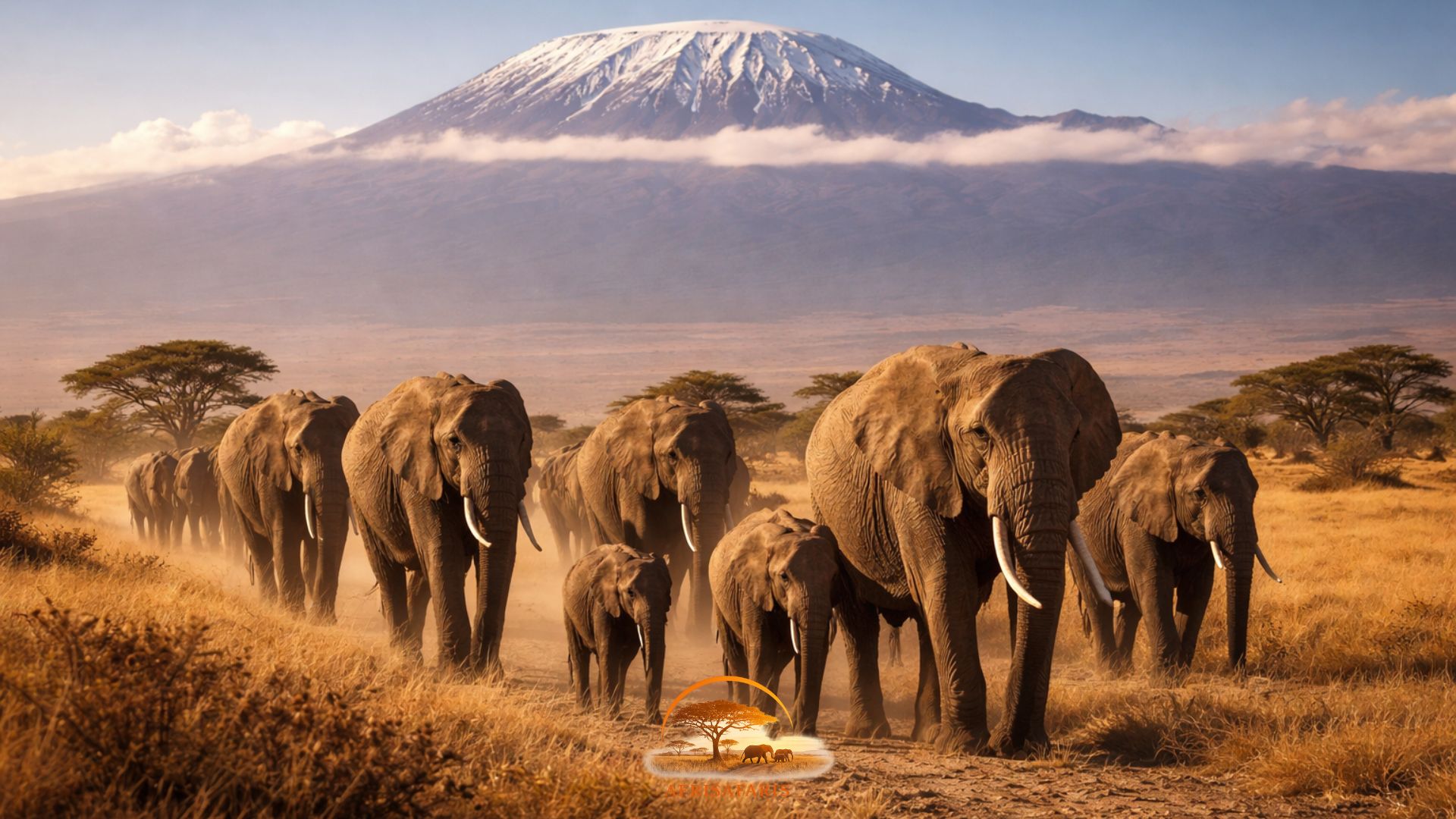
Spectacular views of Mount Kilimanjaro and large elephant herds. One of the best places in Africa to get close to free-ranging elephants.
About Amboseli National Park
Amboseli National Park, at the foot of Africa's highest mountain — Mount Kilimanjaro (5,895m) — is one of Kenya's most visually stunning wildlife destinations. The park's 392 square kilometres pack extraordinary habitat diversity, from dried-up lake beds and sulfur springs to dense acacia woodland and open savanna, all framed by Kilimanjaro rising majestically across the border in Tanzania.
Amboseli is most famous for its large elephant herds. Thanks to the Amboseli Elephant Research Project (the longest-running elephant study in the world, founded in 1972 by Dr. Cynthia Moss), the park's estimated 1,600 elephants are among the most studied and best-protected in Africa. Visitors regularly encounter herds of 50 or more crossing the dusty plains with Kilimanjaro as a backdrop.
Beyond elephants, the park supports lions, cheetahs, buffaloes, giraffes, zebras, wildebeest, and over 400 bird species. The permanent swamps fed by Kilimanjaro's underground meltwater create lush oases that attract wildlife year-round. Maasai communities surrounding the park offer cultural visits and insight into pastoral traditions.
Highlights
Quick Facts
Available Safari Packages
Explore our curated safari packages that include Amboseli National Park
History & Culture
Discover the rich heritage and cultural significance of Amboseli National Park
Cynthia Moss and the Amboseli Elephants
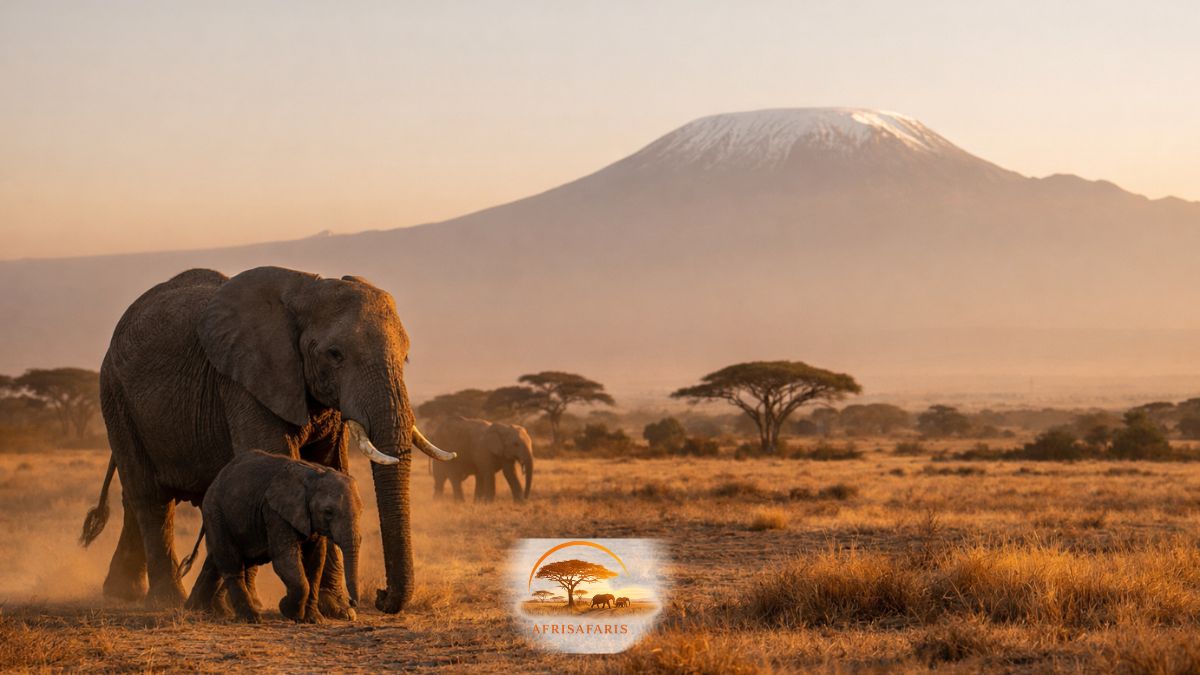
The Amboseli Elephant Research Project, founded in 1972 by Dr. Cynthia Moss, is the longest-running study of wild elephants in the world. Over five decades, Moss documented the life histories of over 3,000 elephants across 60 families. This research transformed our understanding of elephant intelligence, social structures, and emotions, demonstrating that a single elephant generates over $1.6 million in tourism revenue over its lifetime.
The Maasai and Amboseli
Before becoming a national park, Amboseli was traditional Maasai grazing land. The 1974 establishment displaced many pastoralists, creating tensions that persist today. Modern approaches now emphasize community-based models where Maasai landowners receive tourism revenue in exchange for setting aside wildlife corridors — a model replicated across East Africa.
Wildlife & Animals
Discover the incredible wildlife that calls Amboseli National Park home
Elephants
Over 1,600 elephants — some of the most studied in the world — with herds often exceeding 50 individuals.
Lions
Several prides roam the park, frequently spotted on the open grasslands near the swamps.
Cheetahs
The open plains provide ideal habitat, with sightings common during morning game drives.
Buffalos
Large herds graze in the swamp areas, particularly around Enkongo Narok.
Giraffes
Masai giraffes browse the acacia woodlands on the park's periphery.
Wildebeest
Significant numbers during the dry season as they migrate to permanent water sources.
Hippos
Found in deeper pools of permanent swamps fed by Kilimanjaro's underground meltwater.
Safari Activities
Experience the best of Amboseli National Park with these amazing activities
Game Drives
Morning and afternoon drives with Kilimanjaro as a constant backdrop.
Maasai Village Visits
Cultural excursions to nearby Maasai communities to learn about traditions and beadwork.
Bird Watching
Over 400 species including flamingos, pelicans, eagles, and European migrants.
Photography
One of Africa's best photography destinations — elephants silhouetted against Kilimanjaro at sunrise.
Nature Walks
Guided walks with Maasai guides explaining traditional plant uses and tracking techniques.
Where to Stay
Choose from a variety of accommodation options in Amboseli National Park
Tortilis Camp
Award-winning luxury tented camp with stunning Kilimanjaro views.
Amboseli Serena Safari Lodge
Located within the park with panoramic Kilimanjaro views and Maasai-inspired design.
Kibo Safari Camp
Comfortable tented camp on the park boundary with excellent Kilimanjaro views.
Did You Know?
Fascinating facts about Amboseli National Park that will amaze you
On clear days, the snow-capped summit of Kilimanjaro (5,895m) is visible from almost every point in Amboseli, despite being in Tanzania.
Amboseli's permanent swamps are fed by underground meltwater that has filtered through volcanic rock for 200+ years.
The Amboseli Elephant Research Project has been running since 1972 — over 50 years of continuous research.
"Amboseli" comes from the Maasai "Empusel," meaning "salty, dusty place."
A single Amboseli elephant generates an estimated $1.6 million in tourism revenue over its lifetime.
Ernest Hemingway wrote about the area, and it inspired parts of "The Snows of Kilimanjaro."
Despite its small size (392 km²), Amboseli receives over 200,000 visitors annually.
The famous "Amboseli dust devils" can reach heights of over 100 metres.
Lake Amboseli is a dry lake bed that only fills with water during exceptionally heavy rains, sometimes just once a decade.