
Lake Baringo
A freshwater Rift Valley lake renowned for hippo pods, crocodiles, and exceptional bird watching with over 470 recorded species.
About Lake Baringo
Lake Baringo is one of two freshwater lakes in Kenya’s Rift Valley (the other being Lake Naivasha). This warm, shallow lake spans about 130 square kilometres and is home to large hippo populations, Nile crocodiles, and an extraordinary diversity of birdlife — over 470 species have been recorded, making it one of the premier birding destinations in East Africa.
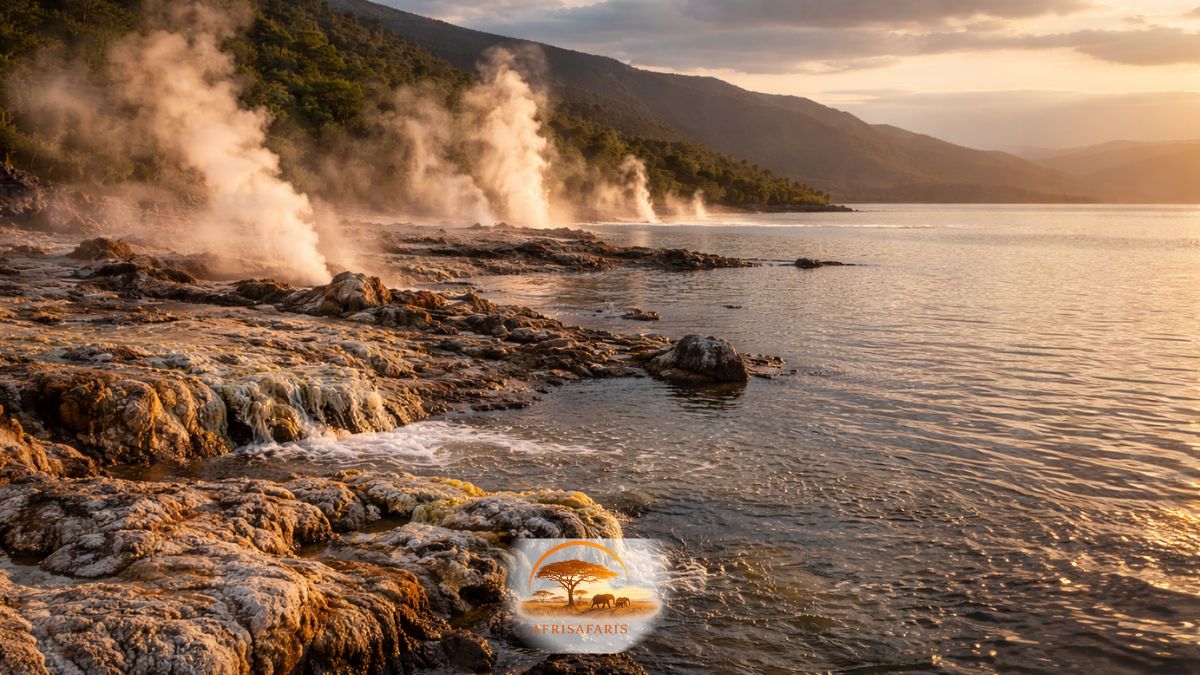
The surrounding landscape includes dramatic cliffs, hot springs, and the semi-arid Tugen Hills, inhabited by the Tugen and Njemps communities. Boat excursions on the lake offer close encounters with hippos and waterbirds, while cultural visits to local villages provide insight into traditional lifestyles.
Highlights
Quick Facts
Available Safari Packages
Explore our curated safari packages that include Lake Baringo
History & Culture
Discover the rich heritage and cultural significance of Lake Baringo
The Tugen and Njemps People
Lake Baringo is home to the Tugen and Njemps communities, known for their fishing, beekeeping, and cattle herding traditions. Archaeological sites in the Tugen Hills have yielded some of the oldest hominid fossils in East Africa.
Wildlife & Animals
Discover the incredible wildlife that calls Lake Baringo home
Hippos
Large hippo pods are easily spotted during boat excursions on the lake.
Nile Crocodiles
Significant crocodile population basking on the lake shores and islands.
Birds (470+ species)
Includes African fish eagles, Goliath herons, and migrant species from Europe and Asia.
Safari Activities
Experience the best of Lake Baringo with these amazing activities
Boat Excursions
Guided boat rides to see hippos, crocodiles, and waterbirds up close.
Bird Watching
World-class birding with over 470 species, including numerous migratory species.
Cultural Visits
Meet the Njemps (Il Chamus) people and learn about their semi-nomadic fishing lifestyle.
Where to Stay
Choose from a variety of accommodation options in Lake Baringo
Baringo Island Resort
Lakeside resort on an island in Lake Baringo with excellent birding access.
Did You Know?
Fascinating facts about Lake Baringo that will amaze you
Lake Baringo has over 470 recorded bird species, making it one of the top birding sites in Africa.
The lake has no visible outlet — water is lost primarily through evaporation and seepage.
Fossils found in the nearby Tugen Hills date back over 6 million years.