Lake Nakuru National Park
Famous for millions of flamingos, rhino sanctuary, and scenic Rift Valley setting. A compact park with extraordinary wildlife density.
About Lake Nakuru National Park
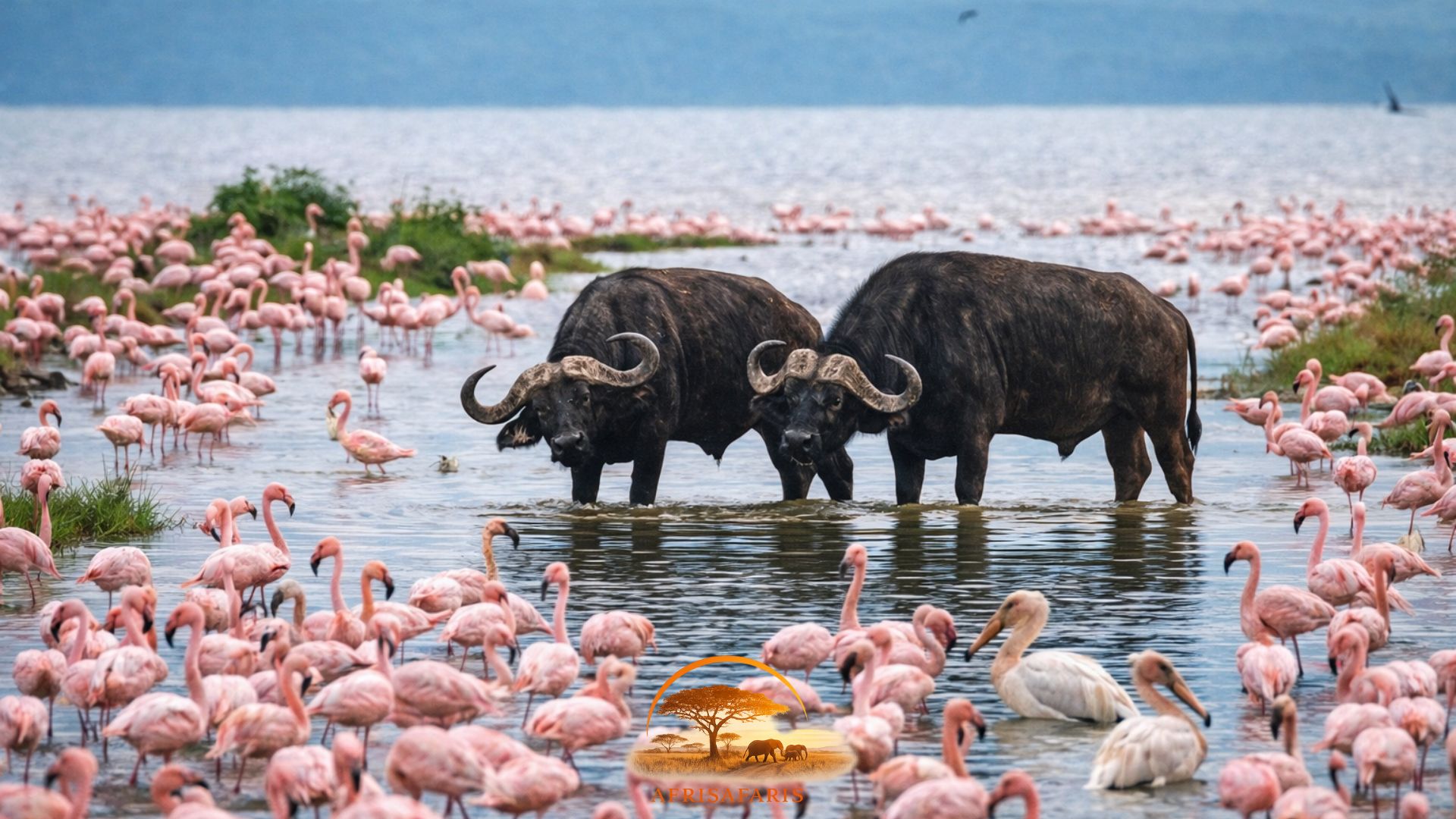
Lake Nakuru National Park, set in the Great Rift Valley, is one of Kenya's most compact yet rewarding wildlife destinations. Covering just 188 square kilometres, the park's shallow, alkaline lake has been called the "greatest ornithological spectacle on earth" — at peak times, up to two million flamingos turn the shoreline pink.
Designated a rhino sanctuary in 1984, the park now protects significant populations of both black and white rhinos — making it one of Kenya's best spots for close rhino sightings. The diverse habitat supports over 450 bird species and impressive mammals including lions, leopards, buffaloes, waterbucks, and the rare Rothschild's giraffe.
The Baboon Cliff viewpoint offers sweeping panoramas over the lake and Rift Valley. Only 160 km from Nairobi (approximately 2.5 hours by road), Lake Nakuru is one of Kenya's most accessible parks.
Highlights
Quick Facts
Available Safari Packages
Explore our curated safari packages that include Lake Nakuru National Park
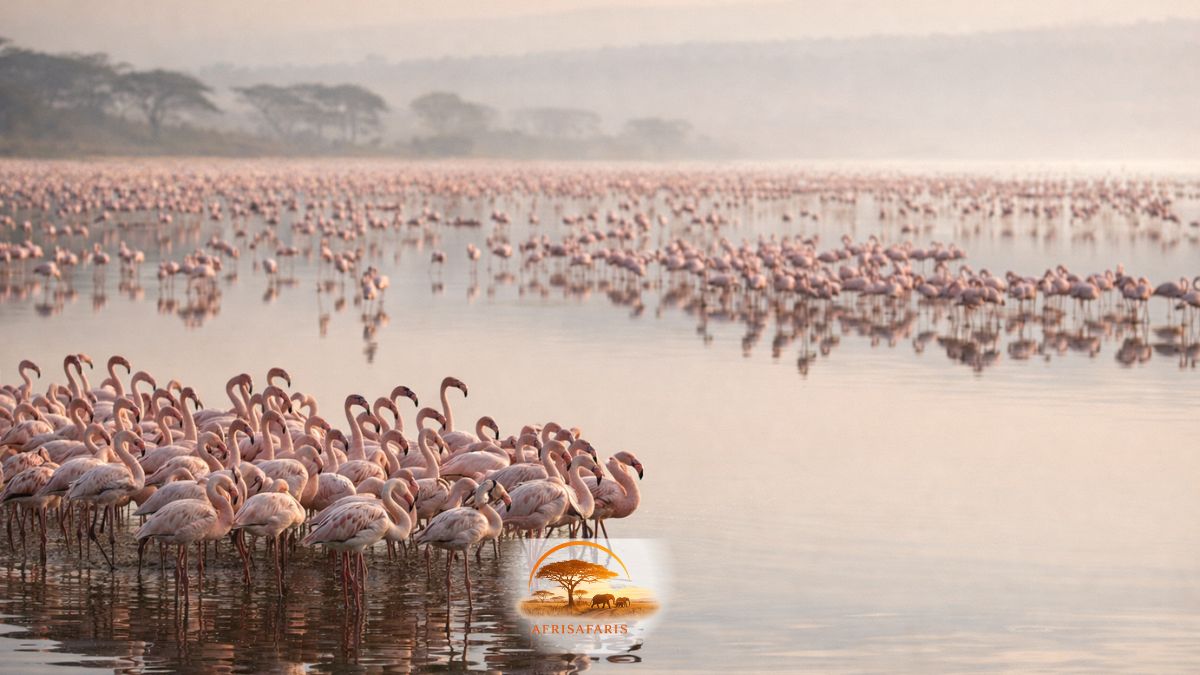
Lake Naivasha, Nakuru & Maasai Mara Safari
Nairobi → Lake Naivasha → Lake Nakuru → Maasai Mara → Nairobi
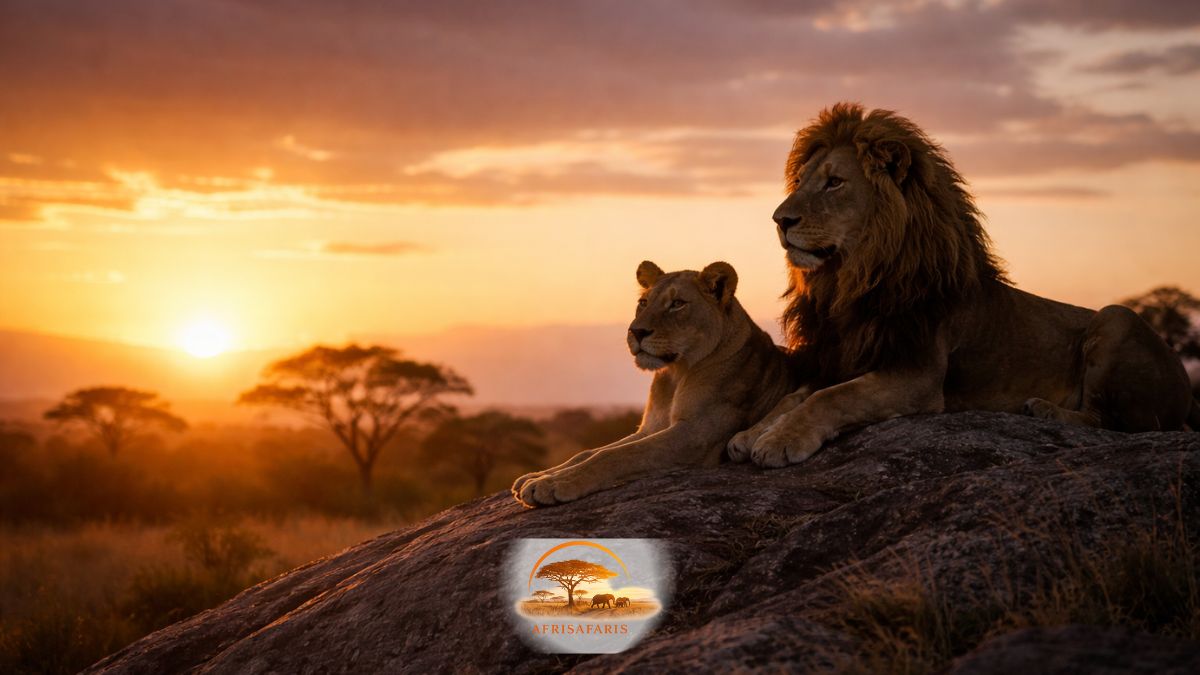
Lake Nakuru & Maasai Mara Safari
Nairobi → Lake Nakuru → Maasai Mara → Nairobi
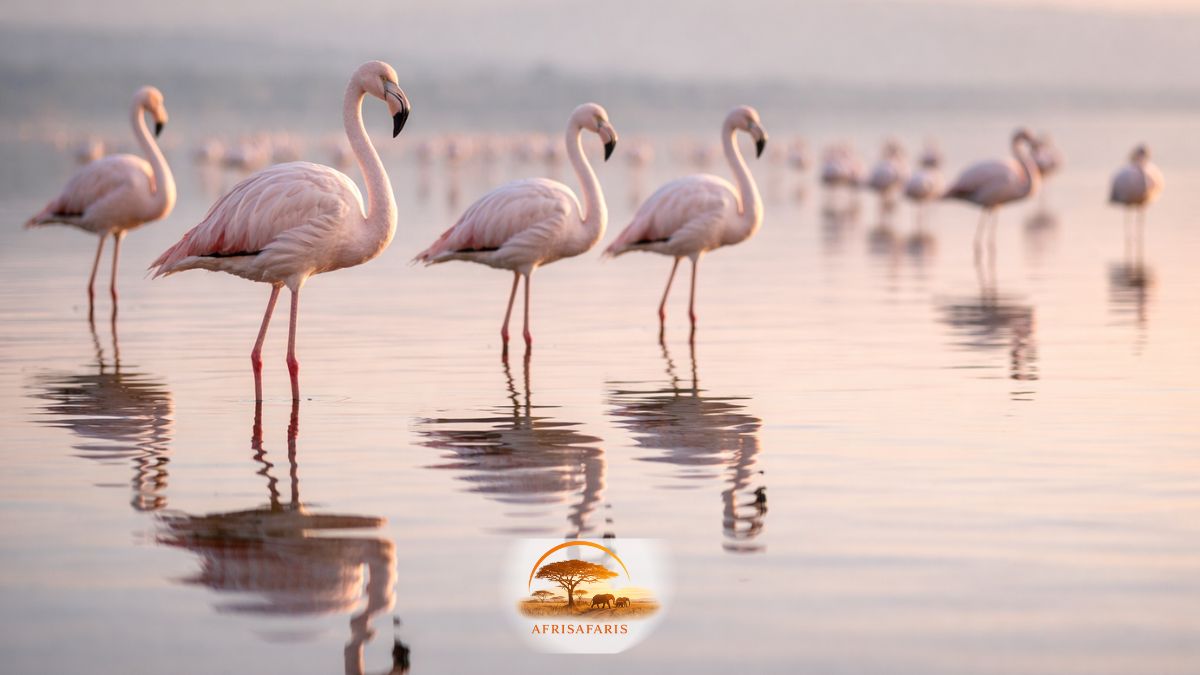
Lake Nakuru Bird Watching
Lake Nakuru National Park
History & Culture
Discover the rich heritage and cultural significance of Lake Nakuru National Park
The Rift Valley and Human Origins
Lake Nakuru sits within the Great Rift Valley, a 6,000 km geological fault line stretching from Lebanon to Mozambique. This region is often called the "Cradle of Humankind" — early human ancestor fossils have been found at nearby Kariandusi and Hyrax Hill. The Kenya Lake System was inscribed as a UNESCO World Heritage Site in 2011.
Conservation Success Story
In the 1980s, Kenya's rhino population declined from over 20,000 to fewer than 400. Lake Nakuru was designated a rhino sanctuary in 1984, surrounded by electric fencing and heavy patrols. The programme succeeded beyond expectations — the park now hosts one of Kenya's largest rhino concentrations, becoming a template for rhino conservation across Africa.
Wildlife & Animals
Discover the incredible wildlife that calls Lake Nakuru National Park home
Flamingos
Up to two million lesser and greater flamingos feed on the lake's algae, turning the shore pink.
Black Rhinos
The park is a critical black rhino sanctuary with reliable sightings.
White Rhinos
Reintroduced to the park, white rhinos graze the open grasslands.
Lions
A small but visible population, sometimes seen resting in yellow-barked acacia trees.
Leopards
Rocky escarpments and woodland edges provide excellent leopard habitat.
Rothschild's Giraffes
This endangered subspecies was reintroduced here — fewer than 1,600 remain in the wild.
Safari Activities
Experience the best of Lake Nakuru National Park with these amazing activities
Game Drives
The compact park allows productive drives with excellent chances of seeing all the Big Five.
Bird Watching
Over 450 species including flamingos, pelicans, fish eagles, and Goliath herons.
Baboon Cliff Viewpoint
Sweeping panoramic views over the lake and Rift Valley escarpment.
Rhino Tracking
Guided drives focused on locating both black and white rhinos.
Where to Stay
Choose from a variety of accommodation options in Lake Nakuru National Park
Lake Nakuru Sopa Lodge
Hilltop lodge overlooking the lake with an infinity pool.
Sarova Lion Hill Lodge
Set in landscaped gardens with a terrace overlooking the flamingo-filled shoreline.
Did You Know?
Fascinating facts about Lake Nakuru National Park that will amaze you
Lake Nakuru has been called the "greatest ornithological spectacle on earth" for its up to two million flamingos.
The lake is alkaline with pH reaching 10.5 — too caustic for most life, but perfect for flamingo-feeding algae.
Lake Nakuru was one of the first rhino sanctuaries in East Africa, helping save Kenya's rhinos from near-extinction.
The rare Rothschild's giraffe was reintroduced here — fewer than 1,600 of this subspecies remain.
The park is part of the UNESCO-listed "Kenya Lake System in the Great Rift Valley."
Baboon Cliff is named after the olive baboon troops that inhabit the rocky escarpment.
Only 160 km from Nairobi (about 2.5 hours), it's one of Kenya's most accessible national parks.
Flamingo numbers fluctuate dramatically — some years the lake is packed, others the birds move to nearby lakes.
In 2013, heavy rains flooded roads and lodges, displacing flamingos to Lake Bogoria.