Lamu Island
Kenya's oldest continuously inhabited town and a UNESCO World Heritage Site. A living museum of Swahili culture, dhow sailing, and car-free streets.
About Lamu Island
Lamu Island, off Kenya's northern coast, is one of the oldest and best-preserved Swahili settlements in East Africa. Lamu Old Town, established in the 14th century, was designated a UNESCO World Heritage Site in 2001 — a living town that has remained virtually unchanged for over 700 years.
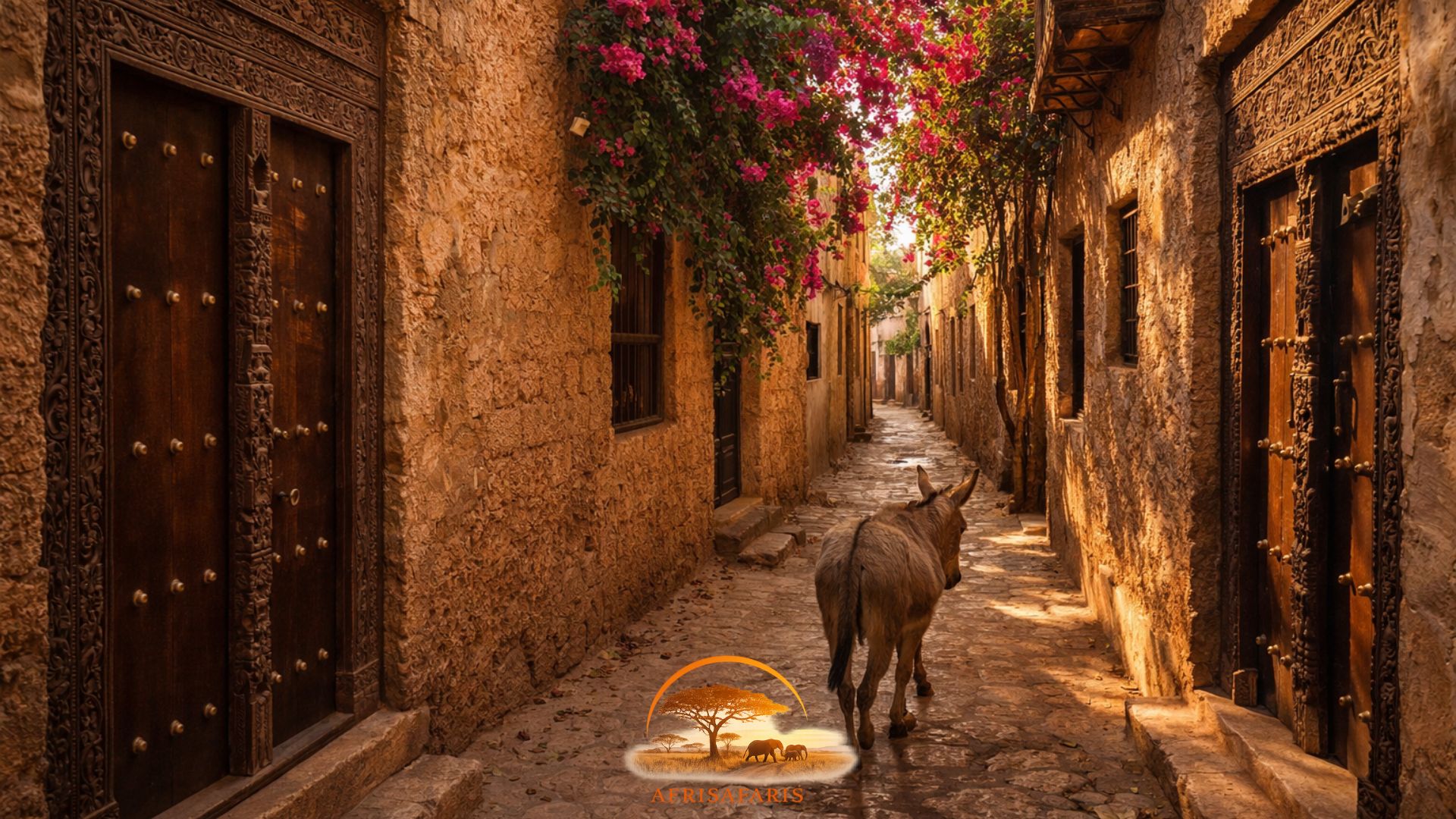
Walking through Lamu's narrow streets (there are no cars — donkeys are the main transport) is like stepping back in time. Coral stone buildings with intricately carved wooden doors line the alleyways, reflecting centuries of African, Arab, Persian, Indian, and European cultural exchange. The town's 23 mosques testify to deep Islamic heritage.
Beyond the town, Lamu offers pristine beaches, traditional dhow sailing, and spectacular sunsets. The annual Lamu Cultural Festival (Maulidi) features donkey races, traditional poetry, dhow races, and Swahili music. For those seeking cultural rather than wildlife experiences, Lamu is unparalleled.
Highlights
Quick Facts
Available Safari Packages
We're currently preparing exciting safari packages for Lamu Island
Packages Coming Soon
We're crafting amazing safari experiences for Lamu Island. Contact us for custom itineraries!
Enquire NowHistory & Culture
Discover the rich heritage and cultural significance of Lamu Island
700 Years of Swahili Civilisation
Lamu was founded in the 14th century as a trading port on ancient maritime routes connecting East Africa with Arabia, Persia, India, and China. The town thrived on trade in ivory, timber, tortoiseshell, and ambergris, reaching its golden age in the 18th century. The Battle of Shela in 1813 cemented Lamu's dominance in the archipelago. The wealth is visible in elaborate architecture — coral stone houses with ornate plasterwork, carved doors, and inner courtyards.
Living UNESCO Heritage
Unlike many heritage sites that are museums or ruins, Lamu Old Town is a living, functioning community. The same families have occupied many houses for generations. The town's fabric revolves around its mosques, waterfront, and narrow streets where residents go about daily life much as they have for centuries. UNESCO cited it as "the oldest and best-preserved Swahili settlement in East Africa."
The Donkey Culture
Lamu's streets were designed for pedestrians and donkeys, not vehicles — the island has no paved roads and no cars. Approximately 3,000 donkeys serve as primary transport. The Lamu Donkey Sanctuary, established in 1987, provides free veterinary care. This car-free existence gives Lamu a unique tranquillity increasingly rare in the modern world.
Wildlife & Animals
Discover the incredible wildlife that calls Lamu Island home
Dolphins
Regularly spotted during dhow excursions in the channel between Lamu and Manda islands.
Sea Turtles
Green and hawksbill turtles nest on the island's beaches.
Donkeys
Lamu's ~3,000 donkeys are the main transport — as much a part of the culture as the architecture.
Tropical Birds
Mangrove forests support diverse birdlife including kingfishers and herons.
Safari Activities
Experience the best of Lamu Island with these amazing activities
Old Town Walking Tour
Guided walks through 700-year-old streets, past coral stone houses, mosques, and the Lamu Museum.
Dhow Sailing
Traditional wooden vessels for sunset cruises, fishing trips, and island excursions.
Shela Beach
Relax on 12 km of pristine, nearly deserted white sand backed by enormous dunes.
Swahili Cooking Classes
Learn traditional Swahili dishes using fresh seafood, spices, and coconut milk.
Lamu Museum Visit
Explore the Swahili House Museum and Lamu Fort chronicling centuries of trade and culture.
Where to Stay
Choose from a variety of accommodation options in Lamu Island
The Majlis Resort
Exclusive beachfront boutique hotel on Manda Island with Old Town views across the channel.
Peponi Hotel
Iconic waterfront hotel in Shela village, a Lamu institution for over 50 years.
Did You Know?
Fascinating facts about Lamu Island that will amaze you
Lamu Old Town is a UNESCO World Heritage Site — the oldest and best-preserved Swahili settlement in East Africa.
There are no cars on Lamu — donkeys are the main transport, and streets are navigated entirely on foot.
Lamu has approximately 3,000 donkeys and a dedicated sanctuary providing free veterinary care.
The island's 23 mosques include some dating back to the 14th century.
The annual Maulidi Festival features donkey races, dhow races, traditional poetry, and Swahili music.
Lamu's Swahili doors are each uniquely carved to reflect the owner's status and devotion.
Shela Beach, a 12 km stretch of white sand, is one of East Africa's most pristine beaches.
The architecture has barely changed in 700 years — traditional coral stone techniques are still used.
Lamu was once a major centre of Swahili poetry, producing some of the earliest known Swahili literature.