Masai Mara
World-renowned for the Great Migration and exceptional Big Five wildlife viewing. Endless golden savannas teeming with lions, elephants, leopards, buffalos, and rhinos.
About Masai Mara
The Masai Mara National Reserve is one of Africa's most magnificent game reserves and arguably the most famous wildlife sanctuary on the planet. Bordering Tanzania's Serengeti National Park, the Masai Mara forms part of the greater Mara-Serengeti ecosystem — a vast, unfenced wilderness stretching over 25,000 square kilometres that supports one of the largest concentrations of wildlife on Earth.
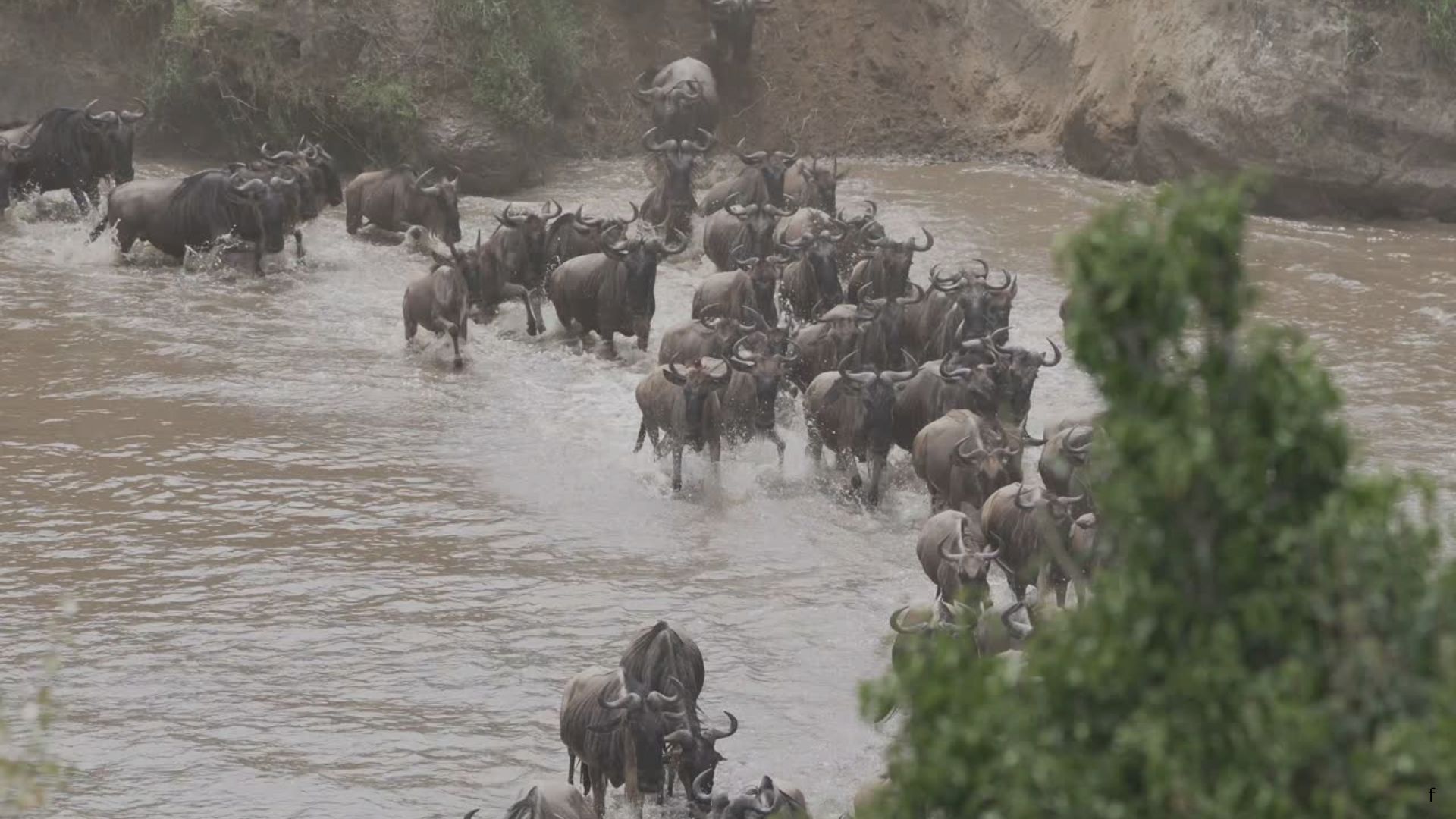
The reserve is most celebrated for the Great Migration, often called the "Greatest Wildlife Show on Earth," when over 1.5 million wildebeest, accompanied by hundreds of thousands of zebras and gazelles, cross the Mara River from the Serengeti in search of fresh grazing. This annual spectacle, typically occurring between July and October, involves dramatic river crossings where herds brave crocodile-infested waters — a scene that has become iconic in wildlife photography and filmmaking.
Beyond the migration, the Masai Mara is home to the "Big Five" — lion, leopard, rhino, elephant, and buffalo — alongside cheetahs, zebras, giraffes, hippos, hyenas, and over 450 bird species. The reserve's open grasslands and scattered acacia woodlands provide exceptional year-round game viewing, with predator sightings being particularly reliable. All Afrisafaris packages include game drives in the Mara with expert Maasai guides who possess an intimate understanding of the landscape and its inhabitants.
Highlights
Quick Facts
Available Safari Packages
Explore our curated safari packages that include Masai Mara
Masai Mara Immersion
Nairobi → Masai Mara → Nairobi
Nairobi & Masai Mara Immersion
Nairobi → Masai Mara → Nairobi
Nairobi, Masai Mara & Coast
Nairobi → Masai Mara → Nairobi → Coast → Nairobi
Nairobi, Masai Mara & Coast Immersion
Nairobi → Masai Mara → Nairobi → Diani → Mombasa → Nairobi
Lake Naivasha, Nakuru & Maasai Mara Safari
Nairobi → Lake Naivasha → Lake Nakuru → Maasai Mara → Nairobi
Lake Nakuru & Maasai Mara Safari
Nairobi → Lake Nakuru → Maasai Mara → Nairobi
History & Culture
Discover the rich heritage and cultural significance of Masai Mara
The Maasai People
The Masai Mara is named after the Maasai people, the semi-nomadic pastoralists who have inhabited the region for centuries. "Mara" means "spotted" in the Maa language, referring to the dotted pattern of trees, scrub, and cloud shadows across the landscape. The Maasai have coexisted with wildlife for generations, and their traditional land management practices — including controlled burning and rotational grazing — helped shape the ecosystem that exists today. Many Maasai communities now participate in wildlife conservancy programmes, earning income from tourism while protecting land adjacent to the reserve.
From Hunting Ground to Conservation Icon
The Masai Mara was first established as a wildlife sanctuary in 1961 by the Kenyan government, covering just 520 square kilometres. It was expanded to its current size of 1,510 km² in 1984. Before becoming a reserve, the area was a popular hunting destination for colonial-era settlers and European aristocrats. The transformation from hunting ground to one of the world's most important conservation areas reflects a broader shift in African wildlife management — from exploitation to sustainable tourism.
The Great Migration's Ancient Path
The Great Migration is not a modern phenomenon — paleontological evidence suggests that wildebeest have been making this circular journey between the Serengeti and the Mara for over a million years. The migration follows ancient rainfall patterns, with herds moving north from the Serengeti calving grounds (December–March) through the western corridor and crossing the Mara River into Kenya (July–October), before returning south as the short rains begin.
Wildlife & Animals
Discover the incredible wildlife that calls Masai Mara home
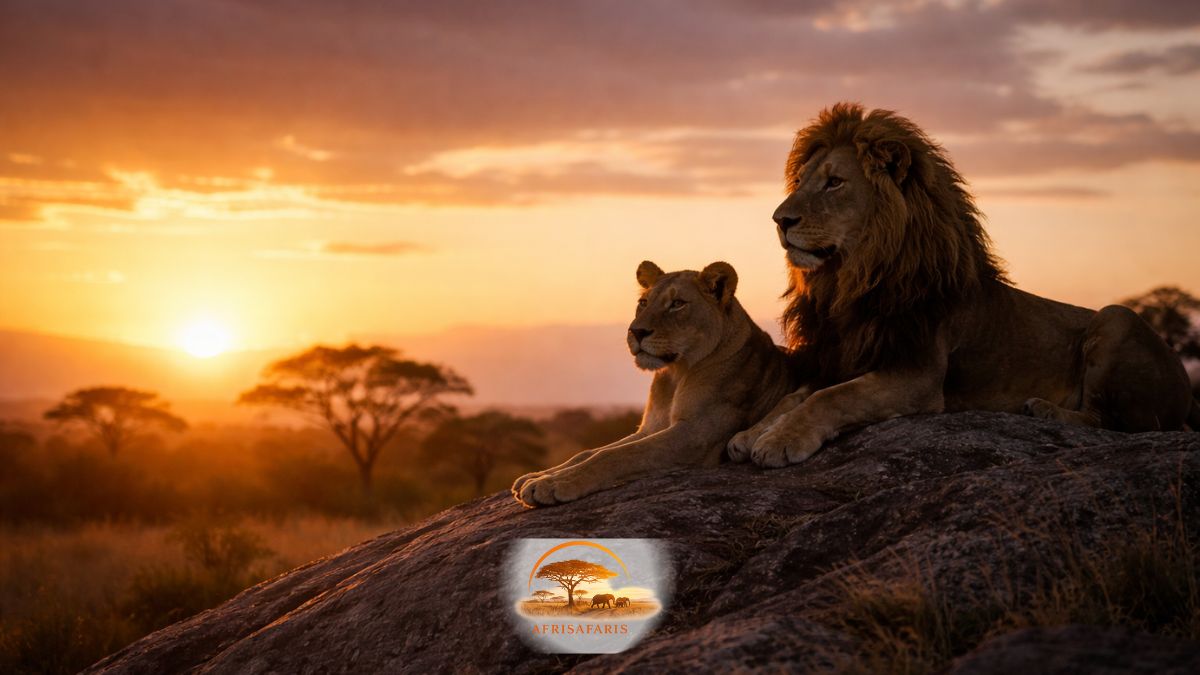
Lions
The Mara hosts one of the densest lion populations in Africa, with several well-known prides studied by researchers for decades.
Leopards
Elusive but frequently spotted along riverine forests and rocky outcrops, particularly at dawn and dusk.
Cheetahs
The open plains make the Mara one of the best places in Africa to witness cheetahs hunting at full speed.
Elephants
Large herds of African elephants roam between the reserve and surrounding conservancies year-round.
Rhinos
Both black rhinos and a few white rhinos inhabit the reserve, with conservation efforts protecting their dwindling numbers.
Wildebeest
Over 1.5 million wildebeest traverse the Mara during the Great Migration, the largest terrestrial mammal migration on Earth.
Zebras
Hundreds of thousands of plains zebras accompany the wildebeest migration and are a constant presence in the reserve.
Giraffes
Masai giraffes are commonly seen browsing the tops of acacia trees across the savanna.
Safari Activities
Experience the best of Masai Mara with these amazing activities
Game Drives
Morning and afternoon game drives in open-top 4x4 vehicles with expert Maasai guides navigating the vast plains.
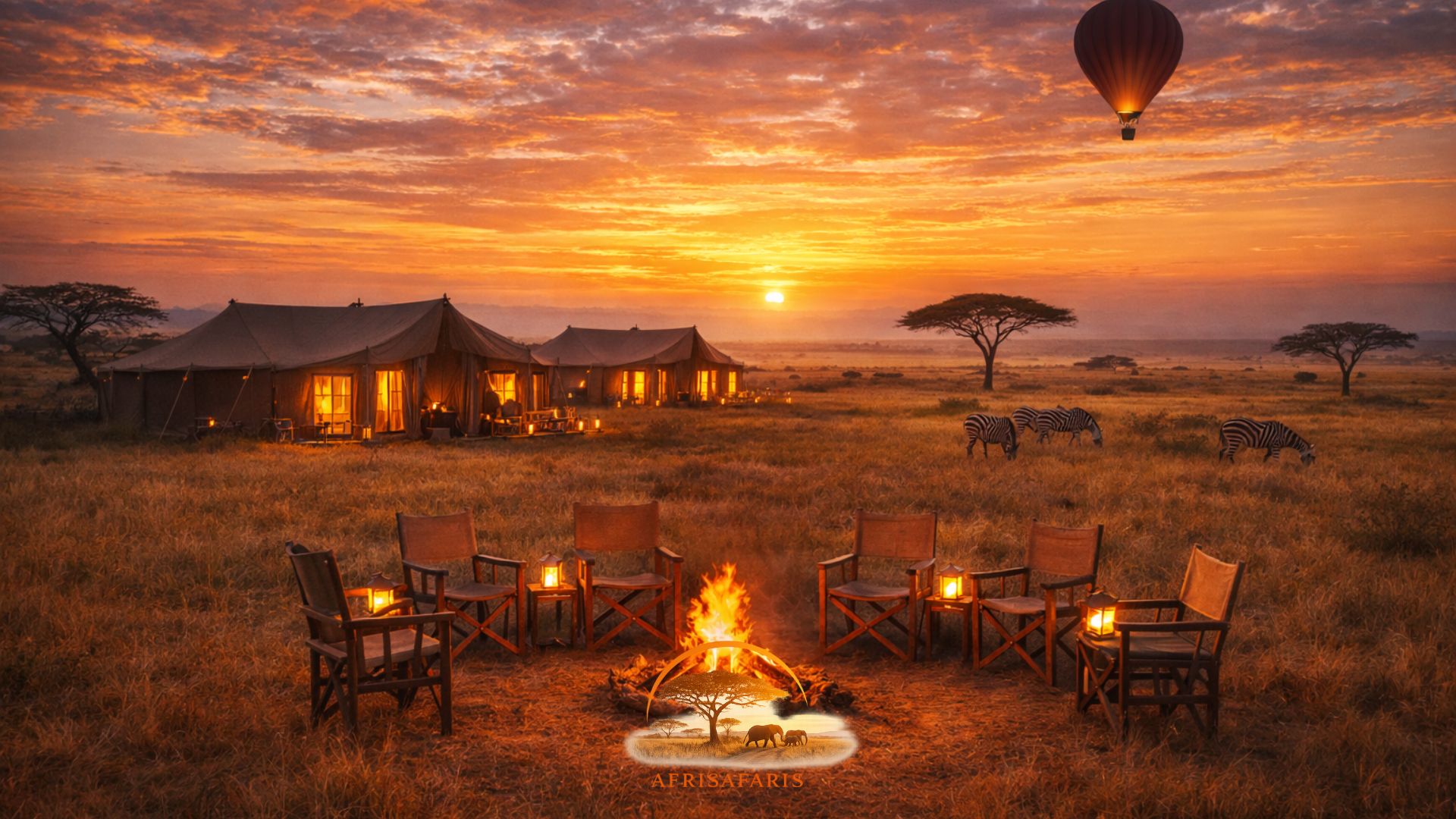
Hot Air Balloon Safaris
Drift silently over the Mara at sunrise for breathtaking aerial views, followed by a champagne bush breakfast.
Cultural Visits
Visit a traditional Maasai manyatta to learn about customs, warrior dances, beadwork, and pastoralist way of life.
Photography Safaris
Dedicated photography game drives with extended stops and optimal positioning for wildlife and landscape shots.
Bird Watching
Over 450 bird species including martial eagles, secretary birds, lilac-breasted rollers, and seasonal migrants.
Where to Stay
Choose from a variety of accommodation options in Masai Mara
Hemingways Ol Seki Mara
Ultra-luxury tented camp with panoramic Mara views, world-class dining, and personalised safari experiences.
Mara Serena Safari Lodge
Award-winning lodge perched on a hill overlooking the Mara Triangle with Maasai-inspired architecture.
Mara Sopa Lodge
Comfortable lodge on the edge of the Oloolaimutia Valley with excellent game viewing at an accessible price.
Did You Know?
Fascinating facts about Masai Mara that will amaze you
The Masai Mara is part of the larger Mara-Serengeti ecosystem, which together spans over 25,000 km² — larger than the entire country of El Salvador.
Over 1.5 million wildebeest, 300,000 zebras, and 200,000 gazelles participate in the Great Migration annually.
The Mara has one of the highest concentrations of lions in Africa, with an estimated 850–900 individuals across the ecosystem.
The reserve is approximately 5 hours' drive from Nairobi, or 45 minutes by light aircraft.
The Mara River is home to some of the largest Nile crocodiles in Africa, with some exceeding 5 metres in length.
"Mara" means "spotted" in the Maasai language, describing the distinctive pattern of trees dotting the grassland.
The BBC's Big Cat Diary and various National Geographic documentaries were filmed in the Masai Mara.
Hot air balloon safaris over the Mara cost between $450–$500 per person and include a champagne bush breakfast.
The ecosystem supports over 95 species of mammals and over 450 species of birds.
Maasai warriors traditionally proved their bravery by hunting lions, but today they are among the most dedicated wildlife protectors.