
Mfangano Island
A remote island in Lake Victoria with ancient rock art, traditional fishing communities, and unspoilt natural beauty far from the tourist trail.
About Mfangano Island
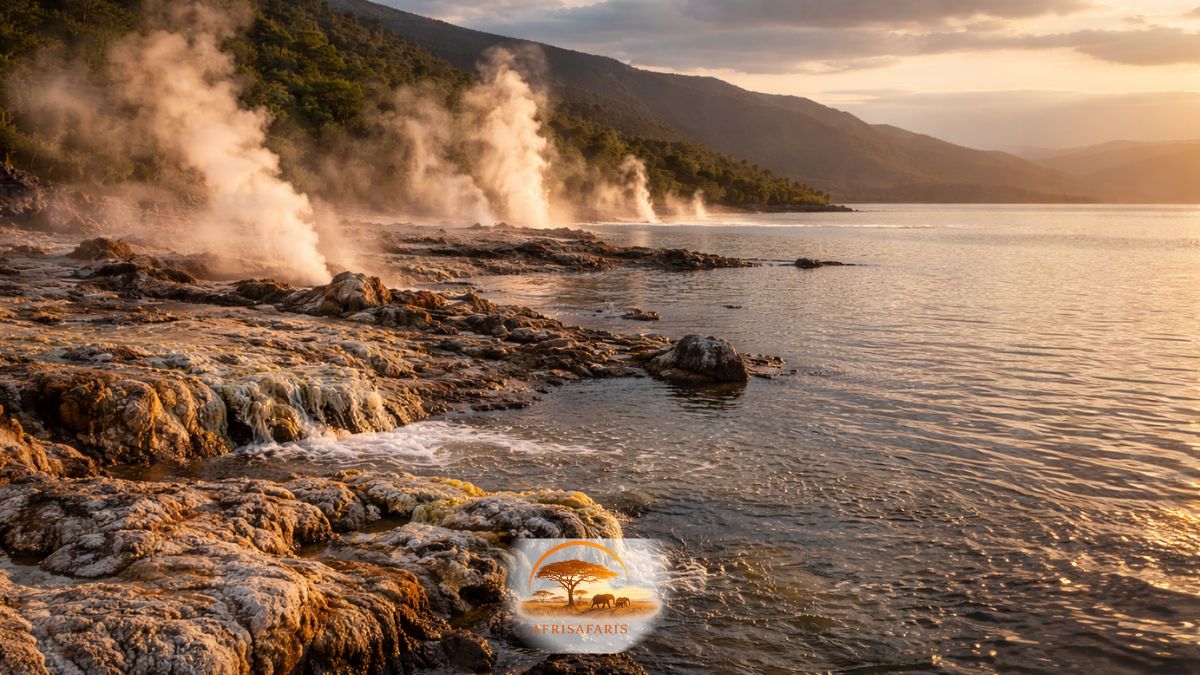
Mfangano Island is the second-largest island in Lake Victoria’s Kenyan waters. This remote and largely undeveloped island offers a genuine off-the-beaten-path experience. The island is home to the Abasuba community, whose traditions and language are distinct from surrounding ethnic groups. Ancient rock art sites, believed to be over 8,000 years old, dot the hillsides.
The island’s landscape includes rocky hills, tropical vegetation, and quiet fishing villages. Visitors can explore local communities, see traditional fishing methods, and enjoy the tranquillity of one of Kenya’s least-visited destinations.
Highlights
Quick Facts
Available Safari Packages
Explore our curated safari packages that include Mfangano Island
History & Culture
Discover the rich heritage and cultural significance of Mfangano Island
The Abasuba People
The Abasuba are a small Bantu-speaking community whose language and traditions are distinct from the surrounding Luo-speaking populations. Their rock art sites suggest ancient habitation, and UNESCO has recognized the importance of preserving their cultural heritage.
Wildlife & Animals
Discover the incredible wildlife that calls Mfangano Island home
Vervet Monkeys
Common throughout the island’s wooded areas.
Monitor Lizards
Nile monitors are frequently spotted along the lakeshore.
Lake Fish
Tilapia and Nile perch are the staples of the local fishing economy.
Safari Activities
Experience the best of Mfangano Island with these amazing activities
Rock Art Sites
Visit prehistoric rock paintings believed to be over 8,000 years old.
Community Visits
Meet the Abasuba people and learn about their unique culture and fishing traditions.
Island Exploration
Hike the island’s hills for panoramic Lake Victoria views and tropical vegetation.
Where to Stay
Choose from a variety of accommodation options in Mfangano Island
Siambi Resort
Simple lakeside lodge with comfortable rooms and authentic island atmosphere.
Did You Know?
Fascinating facts about Mfangano Island that will amaze you
Mfangano Island’s rock art is believed to be over 8,000 years old — among the oldest in East Africa.
The island has no large predators, making it safe for walking safaris.
The Abasuba language is classified as critically endangered by UNESCO.