Mombasa
Historic coastal city with UNESCO World Heritage Fort Jesus, atmospheric Old Town, iconic Mombasa Tusks, and the Tamarind Dhow cruise.
About Mombasa
Mombasa is Kenya's second-largest city, the country's major port, and one of the oldest continuously inhabited settlements on the East African coast. This historic island city blends Swahili, Arab, Portuguese, and British colonial influences into a rich and unique cultural experience.
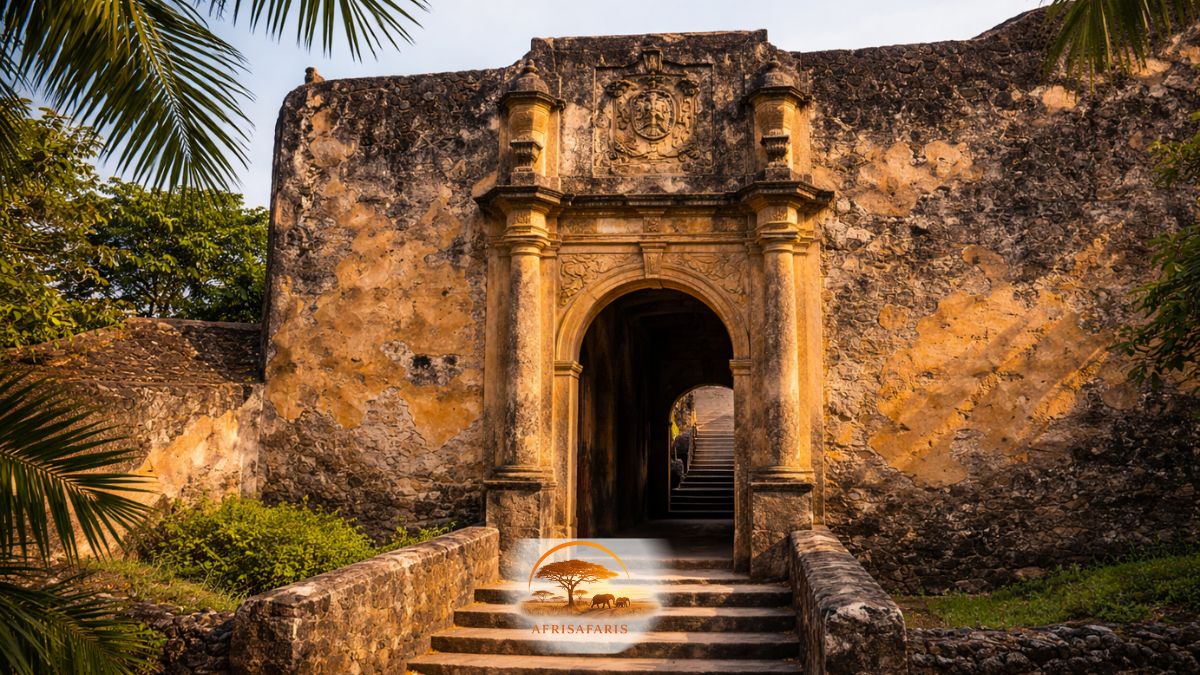
The city's crown jewel is Fort Jesus, a massive 16th-century Portuguese fortress perched on a coral ridge overlooking the Old Port. Built in 1593 to secure the Portuguese trading route to India, the fort changed hands at least nine times between the Portuguese and Omani Arabs before becoming a UNESCO World Heritage Site in 2011.
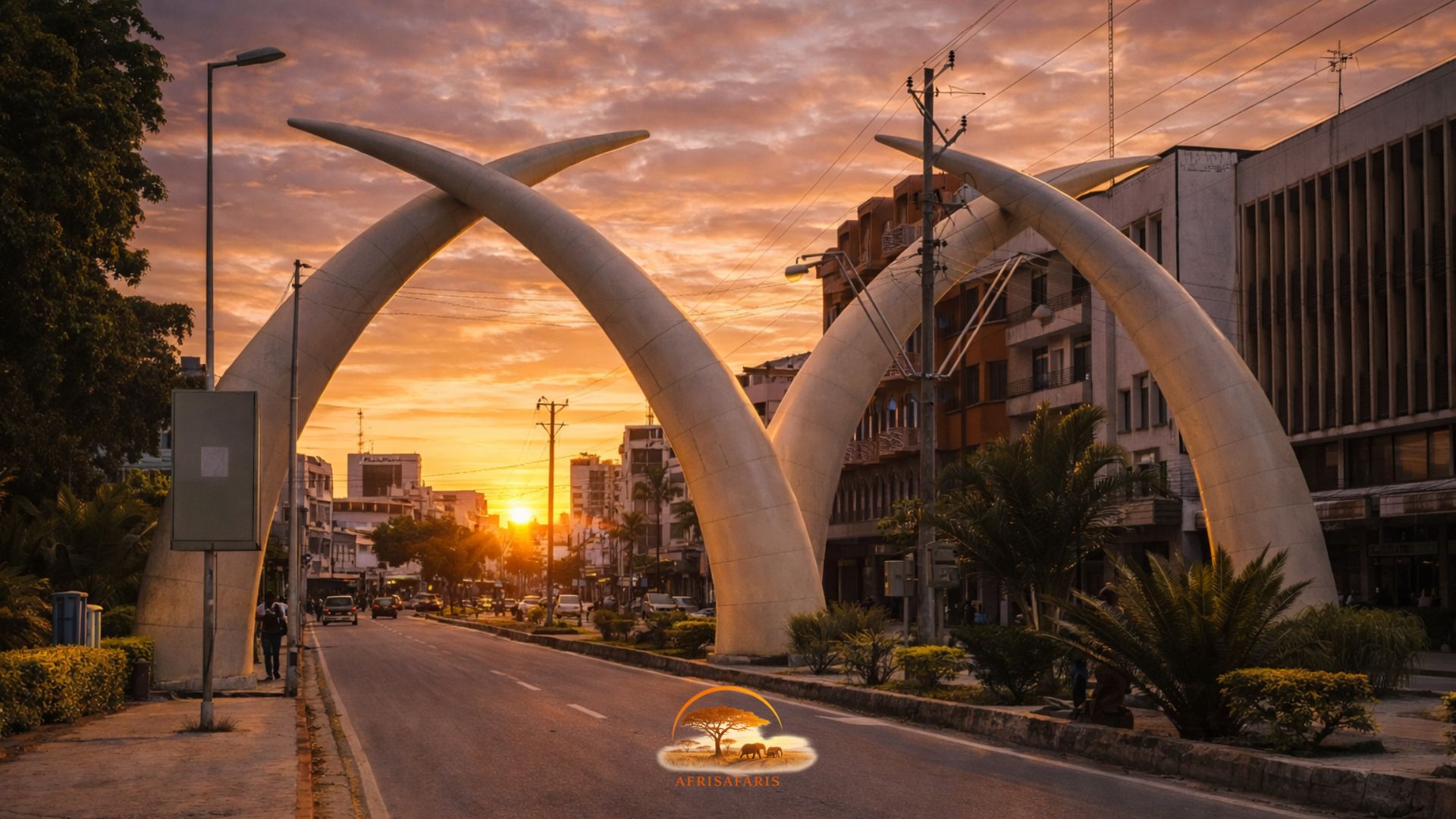
Just beyond the fort, the atmospheric Old Town is a labyrinth of narrow streets lined with ornately carved Swahili doors, centuries-old mosques, and bustling markets. The iconic Mombasa Tusks arches welcome visitors to the city centre. The Tamarind Dhow cruise offers fine dining on a traditional sailing vessel at sunset, while Haller Park — a reclaimed quarry turned ecological wonder — houses giraffes, hippos, and tropical gardens.
Highlights
Quick Facts
Available Safari Packages
Explore our curated safari packages that include Mombasa
Nairobi, Masai Mara & Coast
Nairobi → Masai Mara → Nairobi → Coast → Nairobi
Nairobi, Masai Mara & Coast Immersion
Nairobi → Masai Mara → Nairobi → Diani → Mombasa → Nairobi
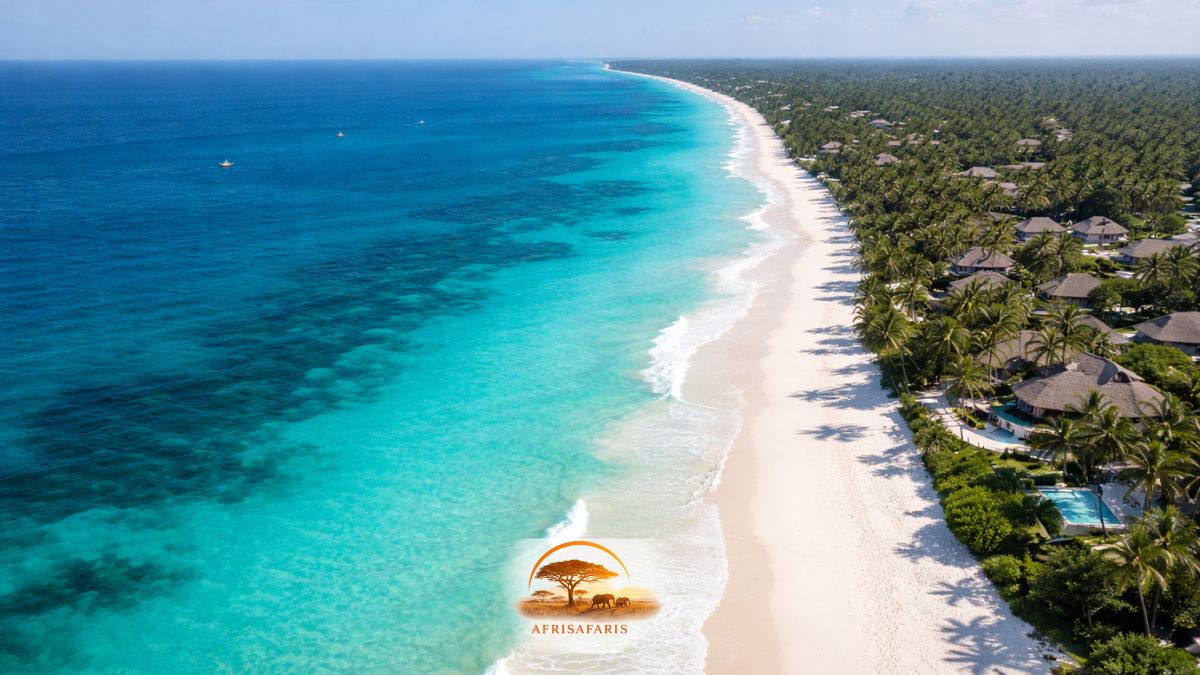
7-Day Mombasa Coastal Holiday
North Coast → Mombasa → South Coast (Diani)
Mombasa Highlights & Dhow Lunch
Mombasa City Tour
History & Culture
Discover the rich heritage and cultural significance of Mombasa
A Thousand Years of Trade
Mombasa's strategic position made it a vital trading hub for over a millennium. Arab, Persian, and Indian traders arrived as early as the 9th century, establishing commerce in ivory, gold, spices, and enslaved people. The city appears in 12th-century Arab accounts and was visited by Chinese admiral Zheng He in 1418. This exchange created the distinctive Swahili culture evident in the language, architecture, food, and customs of coastal Kenya.
Fort Jesus and Colonial Struggle
Fort Jesus was built in 1593 by Portuguese architect Giovanni Battista Cairati to guard the trade route to India. Over 300 years, the fort changed hands at least nine times between the Portuguese and Omani Arabs. The Great Siege (1696–1698), lasting 33 months, ended with only 11 survivors from 3,000 Portuguese defenders. The British took control in 1895, using it as a prison until 1958. It became a UNESCO World Heritage Site in 2011.
Swahili Door Traditions
Mombasa Old Town's elaborately carved wooden doors are a striking cultural feature. In Swahili culture, the door was the first thing constructed — a display of wealth, status, and devotion. The oldest doors feature geometric and floral patterns from Indian and Arab design; newer doors incorporate brass studs originally used in India to reinforce against war elephants. Today, these doors are protected heritage artefacts.
Wildlife & Animals
Discover the incredible wildlife that calls Mombasa home
Giraffes (Haller Park)
Rescued giraffes can be hand-fed by visitors at Haller Park.
Hippos (Haller Park)
Home to several hippos, including the famous Owen adopted by a giant tortoise after the 2004 tsunami.
Crocodiles (Haller Park)
A crocodile enclosure allows visitors to observe Nile crocodiles up close.
Tropical Birds
Coastal and mangrove habitats support diverse birdlife including sunbirds, weavers, and fish eagles.
Safari Activities
Experience the best of Mombasa with these amazing activities
Fort Jesus Tour
Explore the UNESCO fortress with guided tours covering Portuguese, Omani, and British history.
Old Town Walk
Wander through narrow streets with intricately carved Swahili doors, ancient mosques, and spice markets.
Tamarind Dhow Cruise
Dine on gourmet seafood aboard a traditional dhow while cruising the harbour at sunset.
Haller Park Visit
Visit the remarkable ecological park — once a barren quarry — now home to giraffes, hippos, and tropical gardens.
Shopping for Curios
Browse handcrafted souvenirs, Maasai jewellery, and coastal art in markets and curio shops.
Mama Ngina Waterfront
Relax at the renovated oceanfront promenade, sipping fresh coconut juice while watching ships enter the harbour.
Where to Stay
Choose from a variety of accommodation options in Mombasa
Sarova White Sands Resort
Beachfront resort on Bamburi Beach with Moorish-inspired architecture and extensive leisure facilities.
Did You Know?
Fascinating facts about Mombasa that will amaze you
Fort Jesus was built in 1593 and changed hands at least nine times before becoming a UNESCO World Heritage Site in 2011.
The Mombasa Tusks arches were built in 1952 for Princess Margaret's visit. They form the letter "M" when viewed from the side.
The Tamarind Dhow is considered one of the most romantic dining experiences in East Africa.
The Likoni Ferry carries over 300,000 passengers and 6,000 vehicles daily — East Africa's busiest ferry service.
Mombasa is one of the oldest cities in East Africa, with settlement dating back over 2,000 years.
The Old Town has over 30 mosques, some dating back to the 14th century.
Haller Park was a barren limestone quarry transformed into a lush ecological park in the 1970s by Dr. René Haller.
The city's name may derive from "mwita shanga" meaning "island of war" in Swahili.
Chinese porcelain fragments found at Fort Jesus confirm Mombasa was part of a vast Indian Ocean trading network.
Mama Ngina Drive is named after the mother of Kenya's first president, Jomo Kenyatta.