Tsavo East National Park
Vast wilderness famous for its red elephants, the Galana River, and the legendary man-eating lions of Tsavo.
About Tsavo East National Park
Tsavo East National Park is one of Kenya's oldest and largest parks, covering 13,747 square kilometres — roughly the size of Jamaica. Together with Tsavo West, the Tsavo ecosystem forms one of the largest protected areas in the world at nearly 22,000 km². The park's semi-arid landscape of rust-red earth, scrubby bushland, and rolling plains creates a sense of raw, untamed African wilderness.
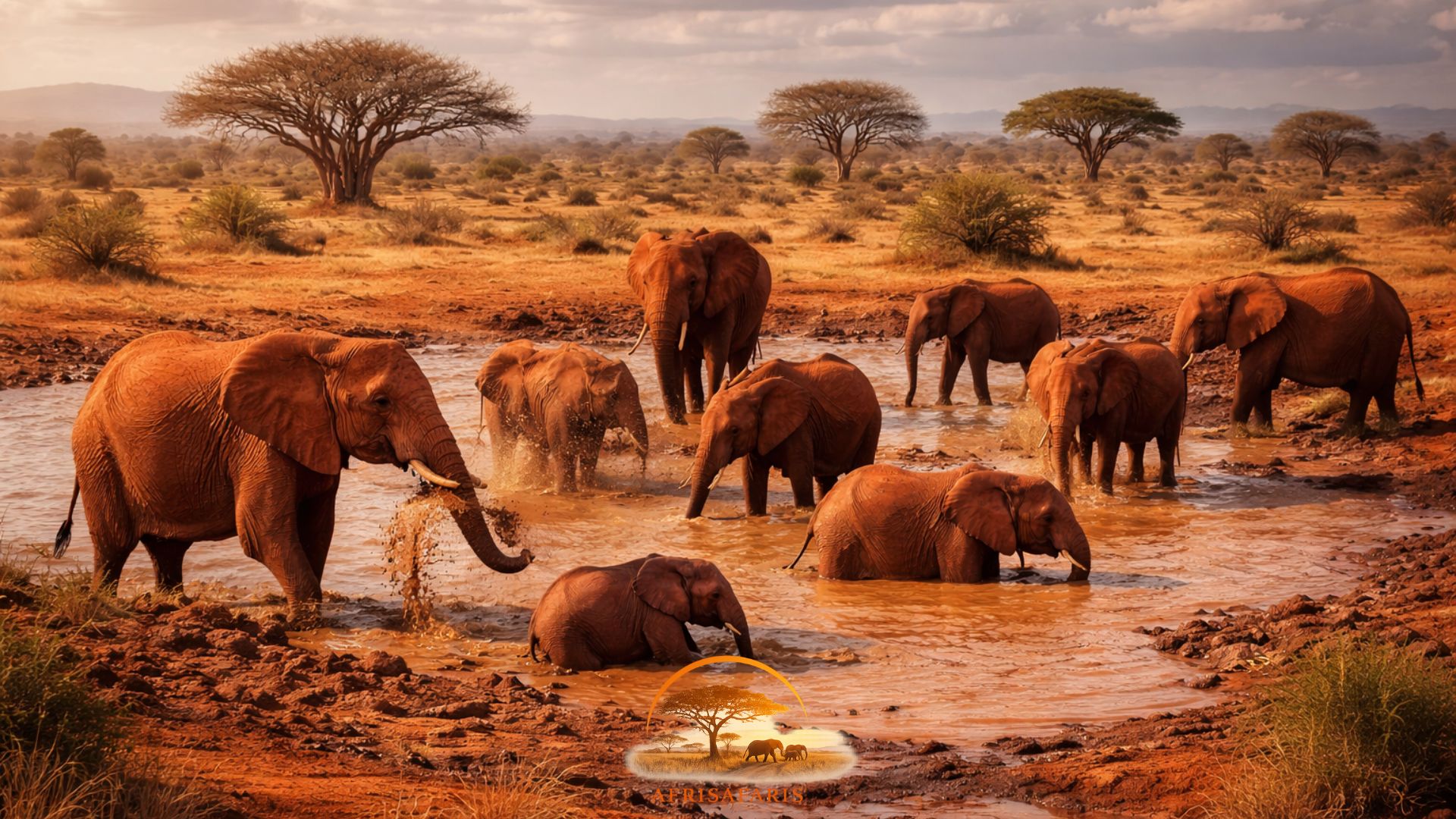
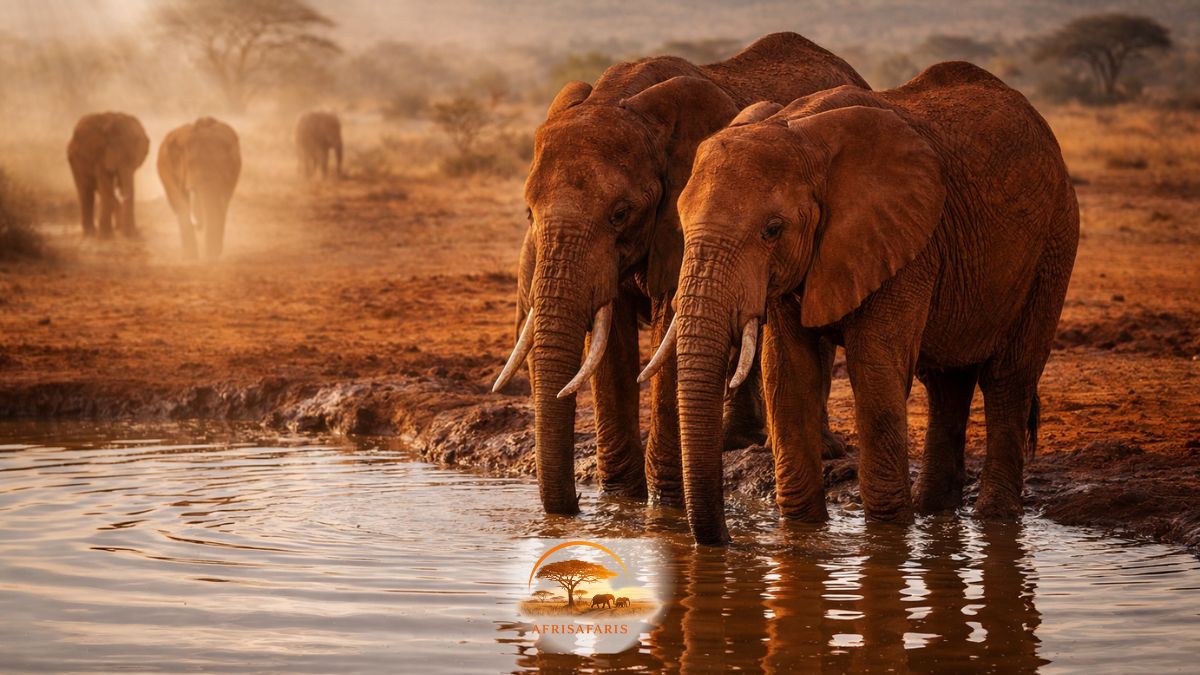
Tsavo East is famous for its "red elephants" — the large elephant population habitually dust-bathes in iron-rich red soil, giving them a distinctive reddish hue. The Galana River cuts through the park creating lush riverine habitats that attract hippos, crocodiles, and diverse birdlife. Lugard Falls, where the Galana is forced through sculpted rock channels, is a must-visit landmark.
The park holds fascinating history: in 1898, two maneless male lions killed an estimated 35 workers constructing the Kenya-Uganda Railway bridge, halting construction for months. Their story was immortalised in the 1996 film "The Ghost and the Darkness," and the lions' remains are displayed at Chicago's Field Museum.
Highlights
Quick Facts
Available Safari Packages
Explore our curated safari packages that include Tsavo East National Park
History & Culture
Discover the rich heritage and cultural significance of Tsavo East National Park
The Man-Eaters of Tsavo
In 1898, two maneless male lions terrorised the Tsavo River bridge construction camp, dragging workers from their tents at night. Over nine months, they killed an estimated 35 people. Lieutenant Colonel John Henry Patterson finally shot both lions in December 1898, later selling their skins to the Field Museum in Chicago, where they remain today. The story inspired "The Ghost and the Darkness" (1996) starring Val Kilmer.
The Lunatic Express
The Kenya-Uganda Railway, crossing through Tsavo, was one of the British Empire's most ambitious projects. Built 1896–1901 from Mombasa to Kisumu, the British press mocked it as the "Lunatic Express." The railway opened up Kenya's interior, fundamentally changing the country's demographics and economy. The original Tsavo River bridge remains a historical landmark.
Wildlife & Animals
Discover the incredible wildlife that calls Tsavo East National Park home
Red Elephants
Tsavo's elephants dust-bathe in red laterite soil, giving them a distinctive rust-red colour.
Lions
Tsavo's lions are famous for some males being maneless, possibly linked to the hot, thorny environment.
Leopards
Present throughout but difficult to spot in the dense bush; best seen along riverine areas at dusk.
Buffalos
Large herds frequent the Galana River and Aruba Dam areas.
Hippos & Crocodiles
Found along the Galana River and at Lugard Falls.
Gerenuks
The "giraffe gazelle" that stands on its hind legs to browse is commonly seen in Tsavo's scrubland.
Safari Activities
Experience the best of Tsavo East National Park with these amazing activities
Game Drives
Explore vast plains and riverine habitats with excellent elephant and big cat sightings.
Lugard Falls Visit
Walk along dramatic rock formations where the Galana River is squeezed through narrow channels.
Mudanda Rock
Visit this 1.5 km rock formation overlooking a natural dam where elephants gather to drink.
Bird Watching
Over 500 species including golden-breasted starling, vulturine guineafowl, and numerous raptors.
Where to Stay
Choose from a variety of accommodation options in Tsavo East National Park
Ashnil Aruba Lodge
Overlooking the Aruba Dam with excellent game viewing from the waterhole deck.
Voi Safari Lodge
Hilltop lodge with panoramic views and a floodlit waterhole for nocturnal viewing.
Did You Know?
Fascinating facts about Tsavo East National Park that will amaze you
Tsavo East and West together cover nearly 22,000 km² — larger than the country of Israel.
The "Man-Eaters of Tsavo" — two maneless lions from 1898 — are still on display at Chicago's Field Museum.
Tsavo's elephants appear red from dust-bathing in iron-rich laterite soil — wash them and they're the same grey as any other elephant.
Many male Tsavo lions are maneless, making them look distinctly different from the classic maned lions of the Mara.
Lugard Falls is not technically a waterfall but rapids where the river is squeezed through channels narrow enough to step across.
Mudanda Rock serves as a natural rainwater catchment, attracting hundreds of elephants during the dry season.
The park lies on the Nairobi-Mombasa highway, making it one of the most accessible parks.
In the 1970s-80s, Tsavo lost over 80% of its elephants to poaching, but conservation has helped recovery significantly.